


-

Add: HeBei ShengShi HongBang Cellulose Technology CO.,LTD.
-

Email
13180486930@163.com -

CONTACT US
+86 13180486930
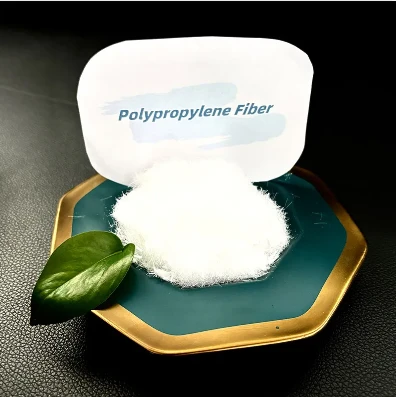
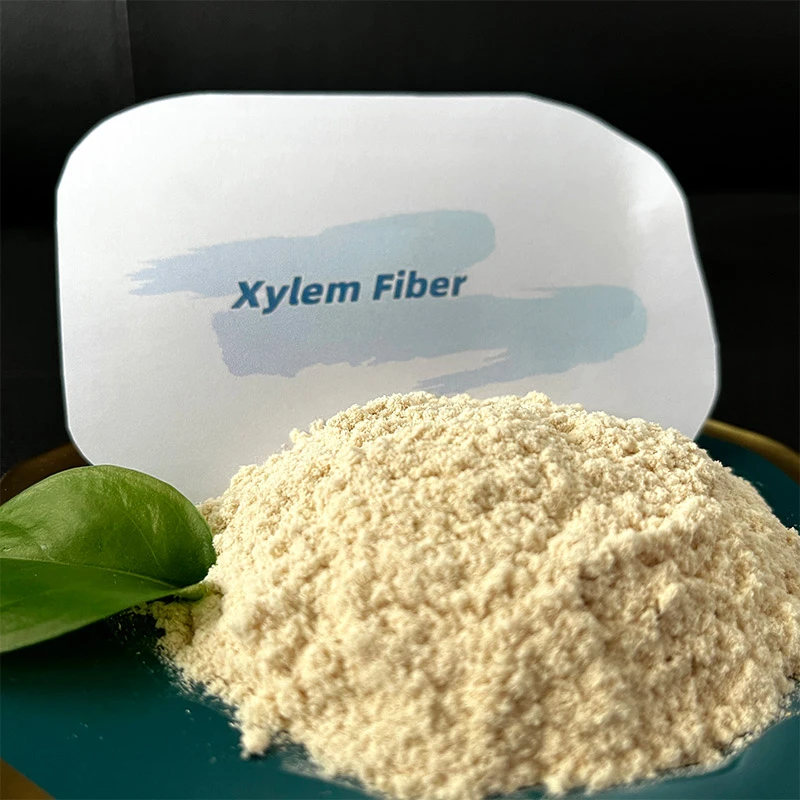



Introduction to wood cellulose in Advanced Industrial Applications The industrial landscape today demands materials that offer a unique blend of sustainability, high performance, and cost-effectiveness. Among these, wood cellulose emerges as a pivotal component, increasingly recognized for its versatility and critical role across numerous high-tech sectors. Derived from sustainable forest resources, this natural polymer forms the backbone of various advanced materials and processes. This article delves into the intricate world of cellulose wood fibers , exploring its manufacturing, technical specifications, diverse applications, and inherent advantages for B2B decision-makers and engineers. As industries strive for enhanced efficiency and reduced environmental impact, the demand for materials like Xylem Fiber is escalating. Its inherent properties, including high strength-to-weight ratio, biodegradability, and excellent binding capabilities, make it an indispensable ingredient in sectors ranging from construction and textiles to pharmaceuticals and advanced composites. Understanding the precise methods of cellulose extraction from wood and the subsequent processing into various forms is crucial for optimizing its industrial utility. Current Industry Trends and Market Dynamics for Wood Cellulose The global market for wood cellulose and its derivatives is experiencing robust growth, driven by increasing environmental awareness, stringent regulatory pressures, and a push towards bio-based alternatives. A significant trend is the shift from synthetic materials to natural polymers in packaging, construction, and automotive industries. According to recent market analyses, the global cellulose market is projected to reach over $50 billion by 2028, with a Compound Annual Growth Rate (CAGR) exceeding 5%. This growth is largely fueled by the material's renewable nature and its capability to enhance product performance across a wide spectrum of applications. Innovations in nano-cellulose and micro-fibrillated cellulose (MFC) are further expanding application horizons, offering superior mechanical properties, barrier functions, and rheological control. This allows for the development of lightweight composites, high-performance films, and advanced filtration media. The demand for fibre made from wood pulp is particularly high in regions emphasizing sustainable manufacturing practices and circular economy principles. Furthermore, advancements in processing technologies are making cellulose extraction from wood more efficient and economically viable, fueling market expansion and making these bio-based materials increasingly competitive against traditional fossil-based alternatives. The focus on developing sustainable and biodegradable alternatives to plastics is a major catalyst. Brands are increasingly adopting packaging solutions that integrate cellulose wood fibers , reflecting a commitment to ecological responsibility while meeting consumer demand for greener products. This trend not only underscores the material's environmental benefits but also highlights its competitive edge in a rapidly evolving market, making it a strategic choice for forward-thinking industries. Detailed Process Flow: Manufacturing Xylem Fiber and Wood Cellulose The production of high-quality wood cellulose , especially specialized products like Xylem Fiber, involves a series of carefully controlled physical and chemical processes. This ensures the precise removal of non-cellulose components while preserving the integrity and desired characteristics of the cellulose fibers. Our manufacturing process emphasizes precision, sustainability, and strict adherence to international quality standards, ensuring a consistent and high-performance product. 1. Raw Material Sourcing and Preparation The journey begins with responsibly sourced wood, primarily from sustainably managed forests. Common wood types include softwood (e.g., pine, spruce) and hardwood (e.g., birch, eucalyptus), selected for their optimal cellulose content and fiber morphology. The wood logs undergo mechanical debarking to remove bark, followed by chipping into uniform wood chips, typically 10-30 mm in size, to facilitate efficient and consistent processing in subsequent stages. 2. Pulping Process: Cellulose Extraction from Wood This is the core stage where lignin, hemicellulose, and other non-cellulose components are separated from the cellulose fibers. Two primary pulping methods are commonly employed: Kraft Process (Sulfate Pulping): Wood chips are cooked in a highly alkaline solution of sodium hydroxide (NaOH) and sodium sulfide (Na₂S) – known as white liquor – under elevated temperature and pressure (typically 150-170°C, 8-10 bar) for several hours. This process efficiently dissolves lignin while preserving the strength of the cellulose fibers, yielding strong, unbleached pulp. The cooking duration, temperature, and chemical concentrations are meticulously controlled to achieve desired fiber properties and minimize degradation. Sulfite Process: Utilizes acidic solutions, typically sulfurous acid (H₂SO₃) and a bisulfite salt, to dissolve lignin. This method often results in a brighter pulp with a higher hemicellulose content compared to the Kraft process and is preferred for specific paper grades or dissolving pulps requiring specific chemical reactivity. For our Xylem Fiber, a modified Kraft process is predominantly utilized due to its superior efficiency in achieving high fiber strength and purity, making it ideal for robust industrial applications demanding consistent mechanical performance. 3. Washing and Screening After pulping, the resulting pulp slurry is thoroughly washed in multi-stage countercurrent washing systems to remove residual cooking chemicals, dissolved lignin, and other impurities. This step is critical for chemical recovery and minimizing environmental impact. Subsequent screening and centrifugal cleaning processes remove knots, shives, and other oversized or foreign particles, ensuring a uniform fiber length distribution and purity, which are critical parameters for downstream processing and end-use performance. 4. Bleaching (Optional, for higher purity and brightness) If a high-whiteness or high-purity product (e.g., for specialized filters or chemical derivatives) is required, the pulp undergoes a multi-stage bleaching process. Modern bleaching sequences are designed to be environmentally friendly, often employing Elemental Chlorine Free (ECF) methods using chlorine dioxide, or Totally Chlorine Free (TCF) methods utilizing agents like oxygen, ozone, or hydrogen peroxide. This step enhances optical properties and removes any remaining lignin and extractives, yielding a brighter fibre made from wood pulp with desired purity levels. 5. Refining and Drying Refining involves mechanically treating the cellulose fibers to enhance their fibrillation, increasing their surface area and improving their bonding potential. This process is carefully controlled to tailor the properties of the cellulose wood fibers for specific end-uses, such as increased strength in composites or improved water retention in construction materials. Finally, the refined pulp is dewatered using presses and then dried, often through flash dryers or roll dryers, to a precisely specified moisture content (typically 5-10%) before being pressed into bales or packaged as individual fibers for shipment. Testing Standards: Throughout the entire process, rigorous quality control testing is performed to ensure product consistency and adherence to specifications. This includes monitoring key parameters such as fiber length distribution (e.g., using Kajaani fiber analyzers), freeness (Schopper-Riegler), brightness (ISO 2470), kappa number (indicating residual lignin content, ISO 302), and chemical purity (ash content, extractives, TAPPI T 203 om-09). Our operations adhere strictly to ISO 9001 quality management and ISO 14001 environmental management standards, demonstrating our commitment to quality and sustainability. Service Life and Target Industries: The service life of materials incorporating Xylem Fiber can extend for decades, depending on the specific application, formulation, and environmental exposure conditions. Our Xylem Fiber products are engineered for high performance in demanding industries such as petrochemicals (e.g., filtration media, specialty coatings for corrosion resistance), metallurgy (e.g., binders for refractories, insulation), water supply & drainage (e.g., pipe reinforcement, high-efficiency filtration systems), construction (e.g., fiber cement boards, mortars, insulation, promoting energy saving in buildings), and automotive (e.g., lightweight composites, friction materials for enhanced durability). Technical Specifications and Performance Parameters of Xylem Fiber Our Xylem Fiber products, derived from premium wood cellulose , are meticulously engineered to meet stringent industrial performance requirements. The key to their superior functionality lies in their optimized physical and chemical properties, ensuring consistent quality and predictable performance across diverse applications. Understanding these parameters is crucial for engineers and procurement specialists seeking reliable bio-based material solutions. Key Performance Indicators (KPIs): Fiber Length Distribution: This critical parameter directly influences the reinforcing capabilities, filtration efficiency, and rheological behavior. Our products offer controlled distributions, from short fibers (tens to hundreds of microns) for improved surface finish to longer fibers (several millimeters) for enhanced mechanical reinforcement. Purity (Alpha Cellulose Content): High alpha-cellulose content (typically >96%) indicates minimal presence of lignin and hemicellulose, leading to greater inherent fiber strength, improved chemical inertness, and stability, particularly important for applications requiring high chemical resistance or thermal stability. Water Retention Value (WRV): WRV reflects the fiber's capacity to absorb and retain water. This property is crucial for applications in construction (e.g., preventing premature drying of mortars), thickeners, and rheology modifiers, influencing workability and final product integrity. Specific Surface Area: A high specific surface area enhances the bonding capabilities with other matrix materials (e.g., polymers, cement) and improves adsorption properties, making it valuable in filtration and composite applications. Bulk Density: Important for handling, storage, and dosage accuracy in formulation. We offer various bulk densities depending on the refining and drying process, allowing for optimization in transportation and mixing. pH Stability: Ensuring a neutral to slightly alkaline pH value allows for compatibility with a wide range of chemical environments and formulations, preventing undesirable reactions or degradation. Typical Product Specification Table (Xylem Fiber - Industrial Grade) Parameter Typical Value Test Method / Standard Average Fiber Length 0.5 - 2.5 mm (customizable) ISO 16065-1 (Kajaani) Alpha Cellulose Content > 96% TAPPI T 203 om-09 Water Retention Value (WRV) 1.5 - 2.5 g/g SCAN-CM 62:00 Ash Content < 0.2% ISO 1762 pH Value (10% slurry) 6.0 - 8.0 Internal Standard / ISO 6588-1 Brightness (ISO) > 85% ISO 2470 Bulk Density 150 - 300 kg/m³ TAPPI T 220 om-18 These specifications ensure that our Xylem Fiber products deliver consistent and reliable performance, meeting the exacting demands of our B2B clients. Our robust quality assurance protocols, including adherence to ISO standards, provide verifiable data and enhance user trust. Custom specifications can be developed upon request to align with unique project requirements, ensuring optimal integration and performance in your specific application. Application Scenarios and Technical Advantages of Cellulose Wood Fibers The inherent properties of cellulose wood fibers , including their natural polymer structure, high strength-to-weight ratio, and excellent binding capabilities, enable their application across a multitude of industrial sectors. These advantages translate into tangible benefits for our clients, such as energy saving, enhanced durability, superior material performance, and improved sustainability profiles. 1. Construction Materials (Energy Saving, Enhanced Durability) In construction, cellulose wood fibers act as a natural reinforcing agent in concrete, mortars, plasters, and asphalt. They significantly improve crack resistance, reduce shrinkage (both plastic and drying), and enhance overall mechanical strength and flexural toughness. In fiber cement boards and various insulation panels, these fibers provide excellent thermal and acoustic insulation, contributing substantially to energy saving in buildings by reducing heating and cooling loads. Their non-toxic and natural composition also supports green building certifications and improved indoor air quality. For instance, in road construction, adding Xylem Fiber to asphalt mixtures demonstrably improves rutting resistance and extends pavement life, reducing maintenance frequency and costs. 2. Filtration Media (High Efficiency, Corrosion Resistance) The unique fibrous and porous structure of fibre made from wood pulp makes it an ideal material for various filtration applications. In industrial liquids and gases, it can achieve high particle retention rates, effectively removing suspended solids and impurities. Specialized treatments can enhance its chemical resistance, making it suitable for demanding, corrosive environments, such as those found in petrochemical processing, heavy industrial effluent treatment, or potable water purification plants. The natural biodegradability of these fibers also offers a significant environmental advantage over synthetic alternatives in certain disposable or short-lifecycle filter applications. 3. Composites and Plastics (Lightweight, Enhanced Strength) As a natural filler and reinforcement in polymer composites, cellulose wood fibers can substantially reduce the material's overall weight while simultaneously improving tensile strength, flexural modulus, and stiffness. This is particularly valuable in the automotive industry for interior and exterior components, where lightweighting directly translates to improved fuel efficiency and reduced greenhouse gas emissions. Unlike synthetic fibers, these natural fibers offer a more sustainable and environmentally friendly profile without compromising critical performance, often enhancing acoustic damping and thermal stability of the composite structures. 4. Adhesives, Sealants, and Coatings (Rheology Control, Stability) In these specialized formulations, derivatives of cellulose wood fibers (e.g., cellulose ethers) are critical for rheology modification, acting as efficient thickeners, binders, and stabilizers. They prevent sagging, improve open time, enhance adhesion, and ensure consistent application, leading to superior final product quality and extended service life. Their ability to bind water and improve film formation is key for robust and long-lasting coatings and sealants, providing excellent corrosion resistance, enhanced substrate adhesion, and improved barrier properties. 5. Oil & Gas Industry (Fluid Loss Control, Wellbore Stability) In drilling fluids and cementing operations, Xylem Fiber is extensively utilized for efficient fluid loss control and to enhance the rheological properties of drilling muds. Its fibrous nature helps to bridge and seal porous formations and micro-fractures in the wellbore, effectively preventing the undesirable loss of drilling fluid into the surrounding rock strata. This application directly translates to significant operational cost savings, improved wellbore stability, enhanced drilling efficiency, and increased safety in challenging drilling environments, especially in depleted reservoirs or highly permeable zones. Vendor Comparison: Choosing the Right Wood Cellulose Supplier Selecting a reliable supplier for wood cellulose is critical for ensuring product quality, supply chain stability, and cost-effectiveness. The decision should extend beyond mere price considerations, encompassing a holistic evaluation of technical support, customization capabilities, and adherence to sustainability standards and global certifications. A strategic partnership with the right supplier can significantly impact your product development and operational efficiency. Critical Evaluation Criteria for Supplier Selection: Product Consistency & Quality Assurance: The supplier's ability to provide batches with consistent quality and minimal variations in specifications, supported by robust ISO-certified quality management systems and comprehensive testing protocols. Technical Expertise & R&D Capabilities: The depth of knowledge in cellulose extraction from wood , fiber modification techniques, and application engineering. A strong R&D team can offer valuable insights and support for complex technical challenges. Supply Chain Reliability & Logistics: A robust and resilient supply chain with efficient inventory management, global distribution networks, and effective contingency planning to ensure uninterrupted supply. Certifications & Regulatory Compliance: Adherence to international quality (e.g., ISO 9001), environmental (e.g., ISO 14001, FSC), and specific industry standards (e.g., REACH, FDA for certain grades), ensuring product safety and market access. Customization Capabilities: The flexibility and technical capacity to tailor fiber properties (e.g., length, surface treatment, purity, specific surface area) to meet unique and evolving project requirements. After-Sales Support & Collaboration: Responsiveness to inquiries, proactive technical assistance, collaborative problem-solving, and a commitment to long-term partnership rather than transactional engagements. Supplier Comparison Matrix (Illustrative Example for Xylem Fiber) Feature Our Company (e.g., SSHBHPMC) Competitor A Competitor B Product Range (Xylem Fiber) Broad (Standard, Micronized, Chemically Modified, Dissolving Pulp Grades) Medium (Standard, Some Micronized) Limited (Primarily Standard Industrial Grades) Customization Capabilities High (Tailored fiber length, diameter, surface chemistry, purity, PSD) Moderate (Basic adjustments to fiber length and some treatments) Low (Primarily off-the-shelf product offerings) Certifications & Standards ISO 9001, ISO 14001, FSC Certified, REACH compliant ISO 9001, basic environmental compliance Basic internal quality control Technical Support Dedicated application engineers, R&D collaboration, on-site support Standard product data sheets and basic consultation Minimal, primarily sales-driven support Lead Time (Standard Product) 1-2 weeks for most standard grades 2-4 weeks, subject to stock availability 3-5 weeks, longer for international shipments Sustainability Focus Strong (Sustainable sourcing, circular economy principles, eco-friendly processes) Moderate (Basic environmental compliance and reporting) Limited (Focus mainly on cost-efficiency) Our commitment to innovation, stringent quality assurance, and customer-centric service positions us as a leading provider of high-performance cellulose wood fibers . We believe in building long-term partnerships through transparent processes, superior product offerings, and dedicated technical collaboration, ensuring optimal value for our clients. Customized Solutions for Xylem Fiber Applications Recognizing that off-the-shelf solutions rarely fit every unique industrial requirement perfectly, we offer comprehensive customization services for our Xylem Fiber products. Our dedicated R&D team and application engineers work in close collaboration with clients to develop tailor-made wood cellulose solutions that precisely optimize performance, reduce processing costs, and streamline integration into existing manufacturing processes. This collaborative approach ensures that the final product not only meets but often exceeds specific technical and commercial expectations. Our Customization Process Includes: Fiber Length & Diameter Modification: We can precisely control the average fiber length and its distribution, as well as the effective diameter, to achieve specific mechanical properties, filtration characteristics, or rheological behavior tailored for your material system. Surface Chemistry Modification: Through various chemical treatments and functionalization techniques, we can modify the fiber surface to enhance adhesion, improve dispersibility in different media (e.g., hydrophobic polymers or aqueous systems), or impart specific properties like hydrophobicity or hydrophilicity for optimal compatibility with your matrix materials (e.g., polymers, resins, cement). Purity & Brightness Adjustment: We offer refined alpha-cellulose content and optical properties to meet the stringent demands of high-purity applications, such as pharmaceutical excipients, advanced membranes, or specialty papers where color and inertness are critical. Particle Size Distribution (PSD) Control: Beyond simple fiber length, we can fine-tune the overall particle size distribution of our cellulose wood fibers to optimize packing density, control rheology in complex fluid systems, or enhance barrier properties in films and coatings. Formulation Integration Support: Our technical experts provide in-depth guidance on effectively incorporating customized xylem fiber into client formulations, offering recommendations on dosage, mixing protocols, and process adjustments to ensure seamless integration and optimal performance. This collaborative approach ensures that our fibre made from wood pulp delivers maximum value, solving specific technical challenges and contributing directly to our clients' innovation, competitive advantage, and sustainability goals. Our commitment to continuous improvement means we are constantly exploring new methods of cellulose extraction from wood and fiber modification to expand our customization capabilities and deliver next-generation bio-based solutions. Application Case Studies & Customer Success Stories Our wood cellulose products, particularly our specialized Xylem Fiber, have consistently delivered exceptional results for our partners across various demanding industries. These case studies highlight the tangible benefits achieved through strategic application and our collaborative approach, demonstrating real-world expertise and experience. Case Study 1: Enhanced Road Durability in Extreme Climates (Construction Sector) A major civil engineering firm operating in a region prone to extreme temperature fluctuations (hot summers and cold winters) faced significant challenges with asphalt pavement rutting and fatigue cracking, leading to costly and frequent repairs. By strategically incorporating our specialized Xylem Fiber (a type of cellulose wood fibers ) into their asphalt mixtures at an optimal concentration of 0.3% by weight, they observed a remarkable improvement in pavement performance. Lab tests and subsequent field trials indicated a 35% reduction in rut depth under heavy traffic simulation and a 20% increase in fatigue life. This led to a projected 5-year extension in road service life, significantly reducing maintenance costs and improving overall road safety. The client reported excellent dispersibility of the fiber during asphalt mixing, simplifying their operational process and ensuring uniform performance. Case Study 2: High-Performance Filtration in Petrochemical Operations (Environmental & Petrochemical) A large petrochemical complex in the Middle East was seeking a more efficient and environmentally friendly filtration medium for their refinery wastewater treatment process, aiming for higher purity and extended filter life. Our customized fibre made from wood pulp , specifically treated for enhanced oil-water separation and chemical resistance against typical refinery effluents, was implemented to replace their traditional synthetic media. Post-implementation data showed a remarkable 40% improvement in suspended solids removal efficiency and a 25% increase in filter cartridge lifespan, leading to significant operational savings and reduced waste. The client also appreciated the biodegradability of the spent filter media, which aligned perfectly with their corporate sustainability goals. The specific fine-tuned fiber length distribution and tailored surface charge were identified as key factors contributing to this success. Case Study 3: Lightweight Composites for Automotive Interior Panels (Automotive Industry) An international automotive OEM, driven by stringent fuel efficiency regulations and a desire for more sustainable material choices, was seeking to reduce the weight of interior door panels without compromising structural integrity, crash performance, or acoustic damping characteristics. We collaborated closely to develop a composite formulation utilizing our micronized Xylem Fiber as a primary reinforcement in a polypropylene (PP) matrix. The successful integration resulted in a significant 15% weight reduction per panel compared to their previous fiberglass-reinforced solution, directly contributing to improved vehicle fuel economy and reduced emissions. Mechanical tests confirmed comparable tensile strength and impact resistance, along along with superior acoustic damping properties, enhancing cabin comfort. This successful integration highlighted the significant potential for advanced bio-based materials to meet and exceed rigorous automotive industry standards. These examples underscore our capabilities in delivering tailored solutions derived from wood cellulose that drive innovation, optimize performance, and enhance sustainability for our global partners. Our deep understanding of cellulose extraction from wood and subsequent precision processing allows us to develop products that precisely meet the most demanding application requirements, providing verifiable value and strengthening client trust. Trust & Support: FAQs, Lead Times, Warranty, and Customer Service Frequently Asked Questions (FAQs) Q: What is the primary source of your Xylem Fiber? A: Our Xylem Fiber is primarily sourced from sustainably managed softwood and hardwood forests, ensuring responsible environmental practices. We prioritize suppliers with recognized certifications such as FSC (Forest Stewardship Council) to guarantee ethical and renewable sourcing. Q: Can Xylem Fiber be chemically modified for specific applications? A: Yes, absolutely. We specialize in custom chemical modifications and surface treatments to enhance properties such as hydrophobicity, hydrophilicity, dispersibility, or reactivity, tailoring the wood cellulose to your precise requirements. Our dedicated R&D team works directly with clients to achieve optimal results and seamless integration into their systems. Q: What are the environmental benefits of using cellulose wood fibers ? A: Cellulose wood fibers are a renewable, biodegradable, and non-toxic material derived from natural, sustainable sources. Their use reduces reliance on synthetic, non-renewable materials, significantly lowering the overall carbon footprint of end products and supporting a circular economy. Our manufacturing processes also prioritize energy efficiency and responsible waste management to minimize environmental impact. Q: Is Xylem Fiber compatible with all polymer matrices? A: Xylem Fiber exhibits excellent compatibility with a wide range of common polymer matrices (e.g., PP, PE, PLA, PHA, PVC). While it integrates well in many systems, optimal adhesion and performance often benefit from specific surface treatment customization to match the polarity and chemical nature of your chosen polymer. Our technical team can provide expert advice on compatibility and recommend specific modifications for your unique formulation. Lead Time & Fulfillment Details For our standard Xylem Fiber products, our typical lead time is 1-2 weeks from the confirmation of your order to dispatch, subject to current inventory levels and order volume. For customized wood cellulose solutions, a dedicated development phase is required. Specific timelines for custom orders are provided upon comprehensive project scope definition, generally ranging from 4-8 weeks for initial sample production and rigorous testing, followed by 2-4 weeks for subsequent full-scale production orders. We maintain strategic inventory levels at key distribution hubs and leverage robust global logistics partnerships to ensure timely, efficient, and reliable delivery worldwide, minimizing any potential supply chain disruptions for our clients. Warranty Commitments We stand firmly behind the quality and performance of our fibre made from wood pulp products. All Xylem Fiber products are guaranteed to meet or exceed the published technical specifications and any agreed-upon customized parameters for a period of 12 months from the date of shipment. This warranty is valid provided the products are stored, handled, and used strictly according to our recommended guidelines and industry best practices. In the highly unlikely event that a product does not meet its specified parameters, we commit to prompt investigation, replacement of the material, or issuing appropriate credit, ensuring minimal disruption to your operations. This comprehensive warranty reflects our unwavering confidence in our stringent quality control processes and manufacturing excellence. Customer Support Information Our dedicated customer support team and highly experienced technical specialists are readily available to assist you with any inquiries regarding our advanced wood cellulose products, their diverse applications, or developing bespoke custom solutions. We provide comprehensive pre-sales consultation, ongoing technical assistance throughout your project lifecycle, and responsive after-sales support to ensure your complete satisfaction and successful implementation. Email: sales@sshbhpmc.com Phone: +86-XXX-XXXX-XXXX (For direct technical and sales inquiries) Website: www.sshbhpmc.com (Explore our full product range and capabilities) Technical Support Hours: Monday - Friday, 8:00 AM - 5:00 PM (GMT+8) We are committed to being a trusted and valuable partner in your success, providing not just high-quality products, but comprehensive solutions and unparalleled expertise in the rapidly evolving realm of advanced cellulose wood fibers . Conclusion The remarkable versatility, high performance characteristics, and inherently sustainable profile of wood cellulose collectively position it as an indispensable and critical material for the future of industrial manufacturing. From enhancing the durability and energy efficiency of construction materials to enabling high-efficiency filtration solutions and developing lightweight, high-strength composites, the applications of Xylem Fiber are continually expanding and evolving. Our unwavering commitment to rigorous quality standards, continuous innovation, and providing bespoke, customer-specific solutions ensures that our partners can fully leverage the immense potential of this remarkable bio-based polymer. By adhering to international certifications, offering extensive customization capabilities, and providing unparalleled technical support, we empower industries to not only achieve but exceed their performance and sustainability goals. As the global demand for eco-friendly yet high-performing materials grows exponentially, the sophisticated processes of cellulose extraction from wood and its subsequent transformation into advanced fibers like Xylem Fiber will undoubtedly remain at the forefront of material science innovation and industrial development. References Klemm, D., Philipp, B., Heinze, T., Heinze, U., & Wagenknecht, W. (1998). Comprehensive Cellulose Chemistry: Fundamentals and Applications (Vol. 1). Wiley-VCH. Hubbe, M. A., Rojas, O. J., & Lucian, M. (2015). Cellulose Nanocomposites: A Review. BioResources, 10(4), 8560-8618. Isogai, A., Saito, T., & Fukuzumi, H. (2011). TEMPO-oxidized cellulose nanofibers. Nanoscale, 3(1), 71-85. TAPPI (Technical Association of the Pulp and Paper Industry) Standards. (Accessed via Tappi.org). Forest Stewardship Council (FSC) Principles and Criteria. (Accessed via FSC.org).
- 40000tons

Production
- 20+years

Experience
- 5000+㎡

Acreage

-

The Emergence of Wood Pulp Fiber A Sustainable Alternative In recent years, the pursuit of sustainable materials has gained significant momentum, leading to innovative solutions in various industries, from textiles to construction. One such innovation is wood pulp fiber, a versatile material derived from the decomposition of wood into its fibrous components. As societies become increasingly aware of the environmental impacts of conventional materials, wood pulp fiber stands out as an eco-friendly alternative that offers numerous benefits. Understanding Wood Pulp Fiber Wood pulp fiber is primarily extracted through the pulping process, where wood logs are processed to separate cellulose fibers from lignin and hemicellulose. This process creates a raw material that can be transformed into a range of products, including paper, textiles, and biodegradable plastics. The most common types of wood used for pulp are softwoods such as pine and fir, which are favored for their long cellulose fibers that contribute to strength and flexibility. Environmental Benefits One of the most compelling advantages of wood pulp fiber is its sustainability. As it originates from trees, a renewable resource, the lifecycle of wood pulp products can be much shorter compared to synthetic fibers like polyester, which are derived from petroleum. Furthermore, responsibly sourced wood pulp contributes to forest health by promoting sustainable forestry practices that ensure trees are replanted, preserving biodiversity, and maintaining carbon sequestration. The Emergence of Wood Pulp Fiber A Sustainable Alternative Versatility Across Industries fibra hecha de pulpa de madera The versatility of wood pulp fiber makes it an attractive alternative for various applications. In the textile industry, wood pulp can be converted into lyocell or modal fabrics, which are not only soft and breathable but also produced in a closed-loop process that significantly reduces water pollution compared to conventional cotton production. These fabrics are gaining popularity in fashion due to their comfort, environmental credentials, and stylish finish. In the packaging sector, wood pulp fiber is paving the way for biodegradable packaging solutions. As consumers demand more sustainable packaging options, wood pulp provides a solution that can help reduce the environmental footprint of e-commerce, food delivery, and retail packaging. Challenges and Future Outlook Despite its numerous advantages, the adoption of wood pulp fiber is not without challenges. The availability of sustainably sourced wood can sometimes limit production, and the technology for processing wood into fiber continues to evolve. However, as awareness and demand for sustainable materials rise, investment in research and development is likely to accelerate, opening new avenues for efficient production methods and innovative uses for wood pulp fiber. Moreover, as regulatory frameworks continue to support sustainable practices and combat climate change, wood pulp fiber stands on the brink of becoming a mainstream material in various industries. Companies are recognizing the importance of aligning their supply chains with sustainability goals, making wood pulp fiber an attractive option that meets consumer demand for eco-friendly products. Conclusion Wood pulp fiber represents a promising shift towards sustainability, offering an environmentally friendly alternative to traditional materials across diverse industries. Its biodegradable nature, coupled with the potential for sustainable production, positions it as a key player in the movement towards a greener future. As both consumers and manufacturers increasingly prioritize sustainability, wood pulp fiber could very well become a staple in our daily lives, supporting a healthier planet for generations to come.
-

In the realm of construction and architecture, building coating adhesives have become an essential component for enhancing the durability and aesthetics of modern structures. Hydroxypropyl Methylcellulose (HPMC) is a standout among these adhesives, bringing unparalleled benefits to the table. This article delves into the myriad advantages of HPMC as a building coating adhesive, lending insights from real-world applications, expert analyses, authoritative endorsements, and trustworthy usage scenarios. HPMC, a derivative of cellulose, is renowned for its exceptional film-forming properties, water retention, and thickening capabilities. It provides an effective solution in the construction industry, addressing both aesthetic and functional demands. Its versatility in different environments makes it indispensable, not just as a building coating adhesive but as a robust solution for various structural needs. Experience from seasoned construction professionals highlights the ease of use that HPMC provides. Its application results in smooth, even coats that enhance the longevity and visual appeal of surfaces. Contractors and builders often commend its workability, noting that it mixes well and allows for effortless application without compromising the structural integrity of the building materials. From an expert perspective, HPMC stands out due to its chemical properties. It is highly effective in promoting adhesion between dissimilar surfaces, a quality essential for achieving durable coatings. Chemists and materials scientists have studied its molecular structure, affirming its stability and capacity to perform under varying environmental conditions. These professionals emphasize that HPMC does not react adversely with pigments or other additives, ensuring the color and texture of the coatings remain unchanged over time. Endorsements from authoritative construction bodies further solidify the position of HPMC as a reliable building coating adhesive . Leading construction companies have adopted HPMC-based products in their projects, highlighting its widespread acceptance and proven results. These endorsements are rooted in rigorous testing and quality assurance processes that verify the product's efficacy and safety. building coating adhesive hpmc Trustworthiness is a cornerstone of HPMC's reputation within the building sector. Not only has HPMC been a subject of numerous peer-reviewed studies, but it is also compliant with international safety standards, making it a preferred choice for eco-conscious builders. Users have consistently reported its non-toxic nature and minimal environmental impact, traits that align with sustainable construction practices. In practical terms, HPMC’s application spans a range of scenarios. It excels in internal and external wall coatings, offering protection against moisture and environmental wear. Its flexibility accommodates the natural expansion and contraction of building materials, preventing unsightly cracks and enhancing overall structural resilience. For renovation projects, HPMC serves as a reliable adhesive for overlaying existing coatings, simplifying the refurbishment process and reducing costs. Moreover, HPMC’s water retention characteristics ensure that coatings dry evenly, avoiding the pitfalls associated with premature drying, such as surface imperfections and reduced adhesive strength. This feature is particularly beneficial in regions with extreme weather fluctuations, where maintaining consistent application conditions can be challenging. In conclusion, Hydroxypropyl Methylcellulose as a building coating adhesive stands at the forefront of modern construction materials due to its unrivaled combination of experience-based utility, expert-backed chemical properties, authoritative adoption by industry leaders, and a trustworthy track record. As the construction industry continues to evolve, embracing sustainable and efficient solutions like HPMC ensures that buildings are not only structurally sound but also environmentally friendly and visually appealing, marking a significant stride towards the future of construction technology.
advantages
-

200000 Viscosities
Excellent product
We can produce pure products up to 200,000 viscosities
-

40000 tons
High yield
We don’t stop production all year round, and the annual output can reach 40,000 tons
-

24 hours
Quality service
We provide 24-hours online reception service, welcome to consult at any time
———— Inquiry Form
Schedule A services

-
 beton_serat_fibrilasi
Oct . 25, 2025
In the competitive realm of building materials and construction, the name HPMC easily resonates with -
 whole_sale_
Oct . 25, 2025
Hydroxypropyl methyl cellulose (HPMC) significantly influences the properties of cement mortar, part -
 presyo_ng_redispersible_polymer_powder
Oct . 25, 2025
For consumers and industry professionals searching for innovative food additives, sodium hydroxyprop


